

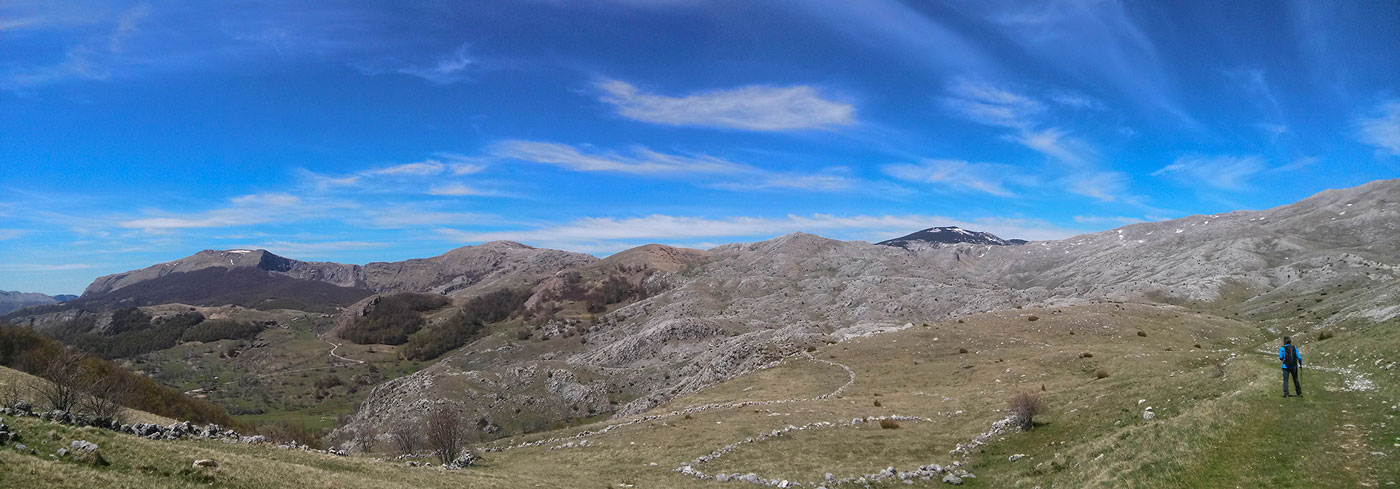
Zabjelašnica is a high-mountain region located in the central part of Bosnia and Herzegovina. The area is framed by the mountains Bjelašnica (2067 m.a.s.l.), Treskavica (2086 m.a.s.l.), and Visočica (1967 m.a.s.l.). Known for the extraordinary beauty of its landscapes, it is a place frequently visited by hikers and nature lovers alike. The entire region is characterized by a high degree of biodiversity and endemism. However, the greatest attention is drawn by the rich flora and fauna of the Rakitnica river canyon, which, stretching for about 20 km to its confluence with the Neretva, sharply divides Bjelašnica and Visočica.
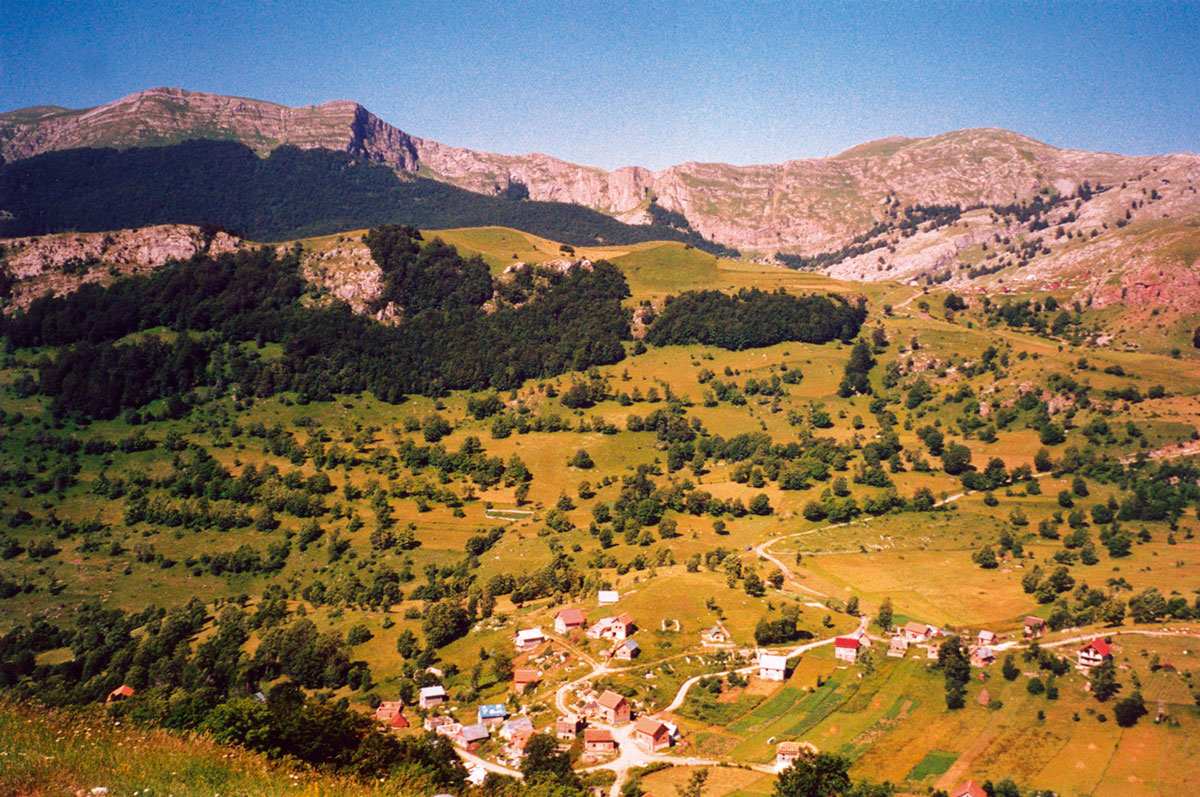
In this high-altitude area, many village settlements are situated at elevations ranging from 1150 – 1450 m.a.s.l. On the southern slopes of Bjelašnica lie Lukavac, Rašumovci, Milišići, Brda, Kramari, Elezovići, Umoljani, Šabići, and Rakitnica. On the northern slopes of Visočica, in the valley of the Tušilska river, are Sinanovići, Pervizi, Đulbašići, Ozimine, and Bobovica. West of this group, in the middle course of the Rakitnica (on the right bank), are Gornji Lukomir, Čuhovići, and Blace.
The inhabitants of these villages are mostly descendants of Herzegovinian livestock herders (Humljani), primarily from the regions of Podveležje, as well as from the Mostar, Nevesinje, Stolac, and Ljubuški areas. They originally came to this mountain region with their herds for summer grazing. For this reason, they built huts in many pastoral settlements (katuni, stanovi, mahale). Over time, they realized that one could live a beautiful life here and settled permanently. Within the entire area, the largest village by population is Umoljani, while the village at the highest altitude is Gornji Lukomir.
Text and photography by: Braco Babić



This mountain area has not been extensively studied, either archaeologically or historically, and the literature regarding these regions is very scarce. It has been inhabited since ancient times, dating back to the prehistoric era. One such site is Gradina, located on the elevation above the Umoljani pastoral settlement. In the late Middle Ages, the area from the Rakitnica river in the east to the small Trešanica river in the west belonged to the administrative district (knežija) of Črešnjevo within the Neretva county. At the beginning of the 15th century, the district was divided into a Bosnian part and a Herzegovinian part, with the Neretva river forming the border between these two areas. The region on the left bank of the Neretva once belonged to Humska zemlja, and later to Hercegovina, specifically to the regional lords from the Kosača noble family. The southeastern part of Bjelašnica, on the eastern border of the former Črešnjevo district, was, by all accounts, inhabited by the Vlach population (Vlasi katunari).



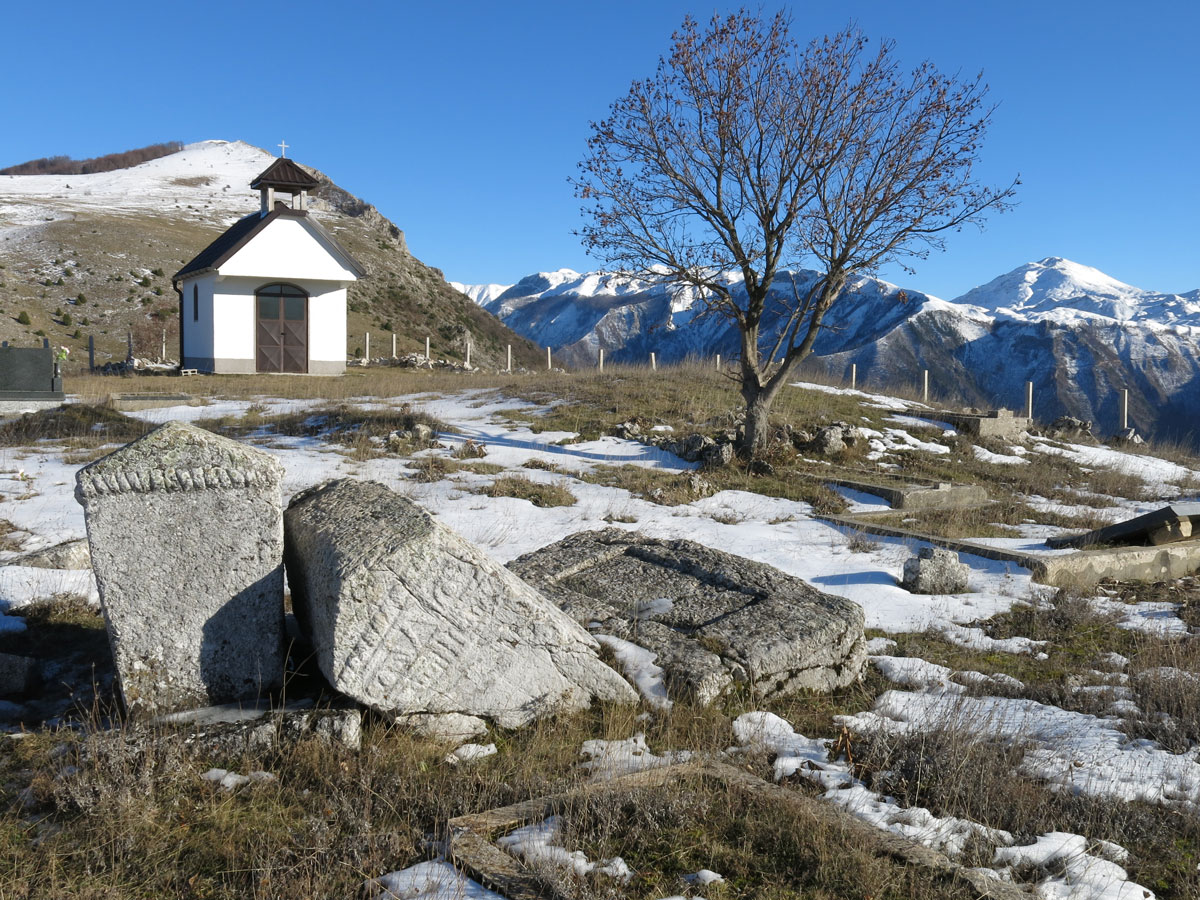
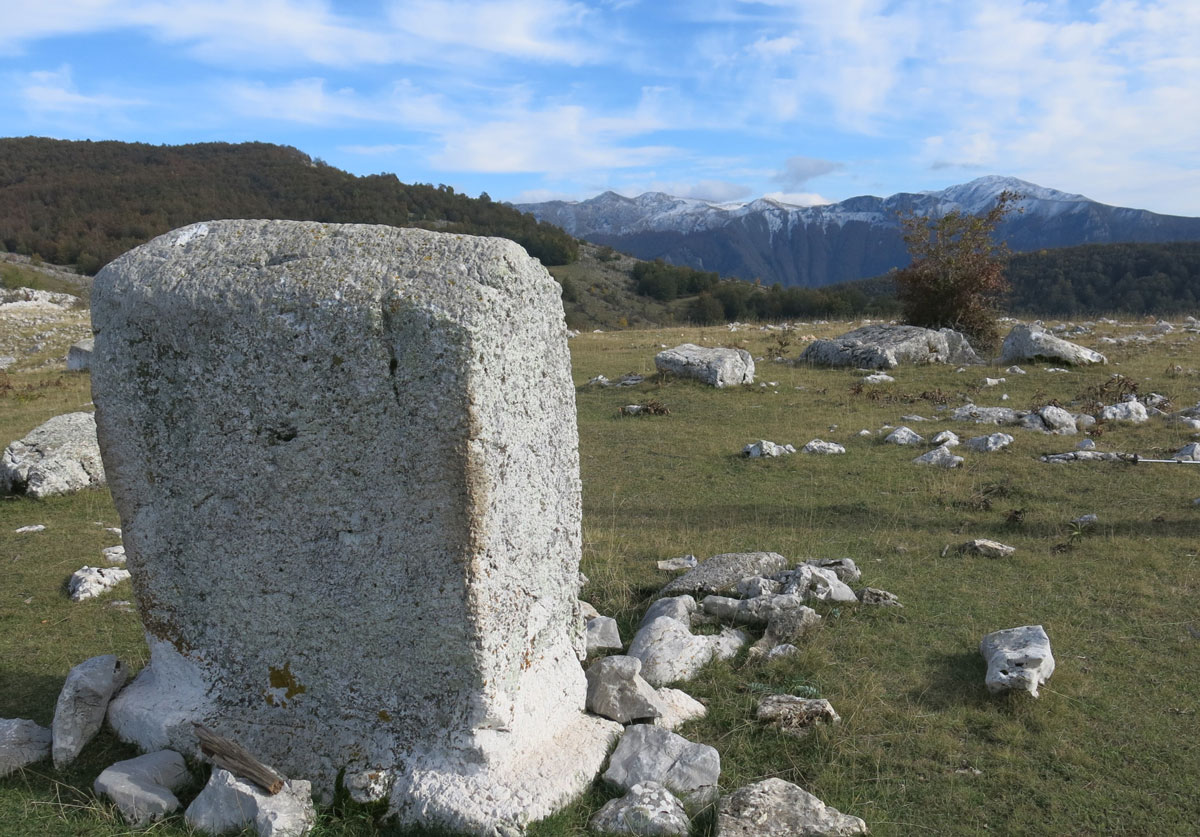

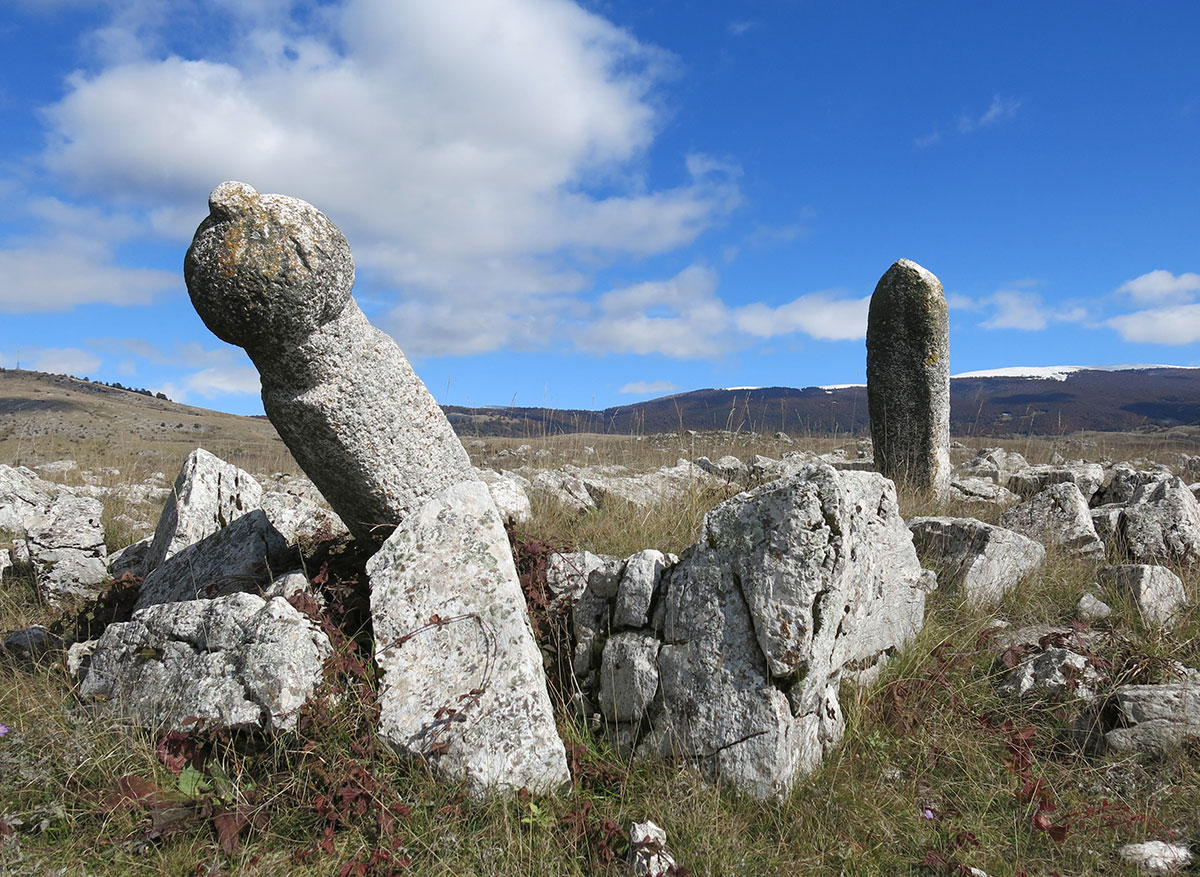
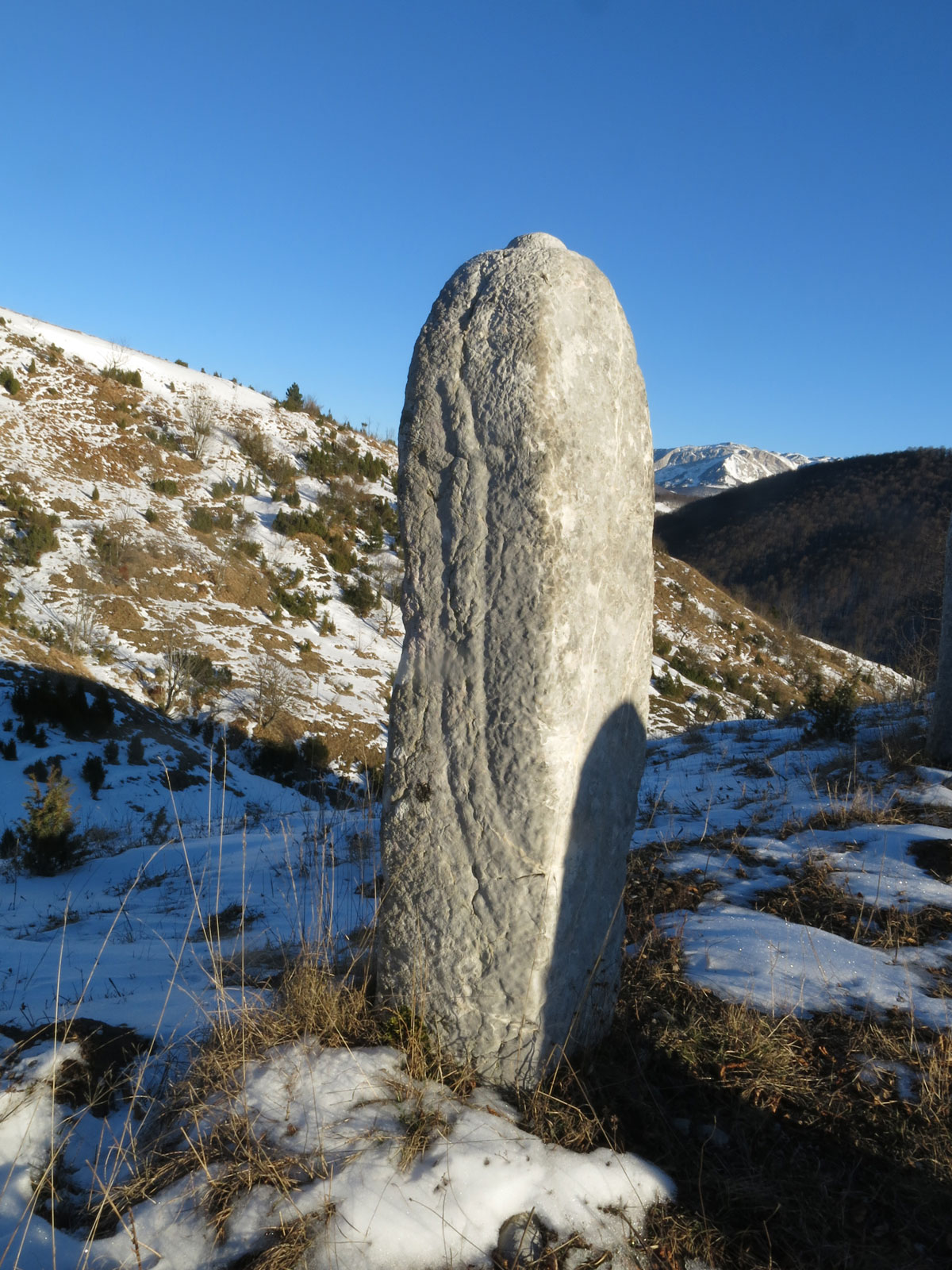
Most of the Zabjelašnica area is covered with coniferous and deciduous forests interspersed with pastures. It is rich in mountain streams and small rivers from which the Rakitnica river is formed. When it swells with the force of a wild mountain torrent, it roars and leaps into abysses, crushing everything in its path from Treskavica to the Neretva. Lush pastures, dense forests, and crystal-clear waters attracted the ancestors of today’s highlanders. The high and rugged mountains forced these brave people to eternally struggle against weather calamities and ferocious beasts. In winter, heavy snows fall, and villages can be cut off from the rest of the world for several months. Those who remain in the snow-covered villages become a kind of captive, left only to tend and feed the livestock, embroider traditional costumes, knit socks and gloves from sheep's wool, and sit by warm stoves during long winter nights, retelling various adventures and legends.
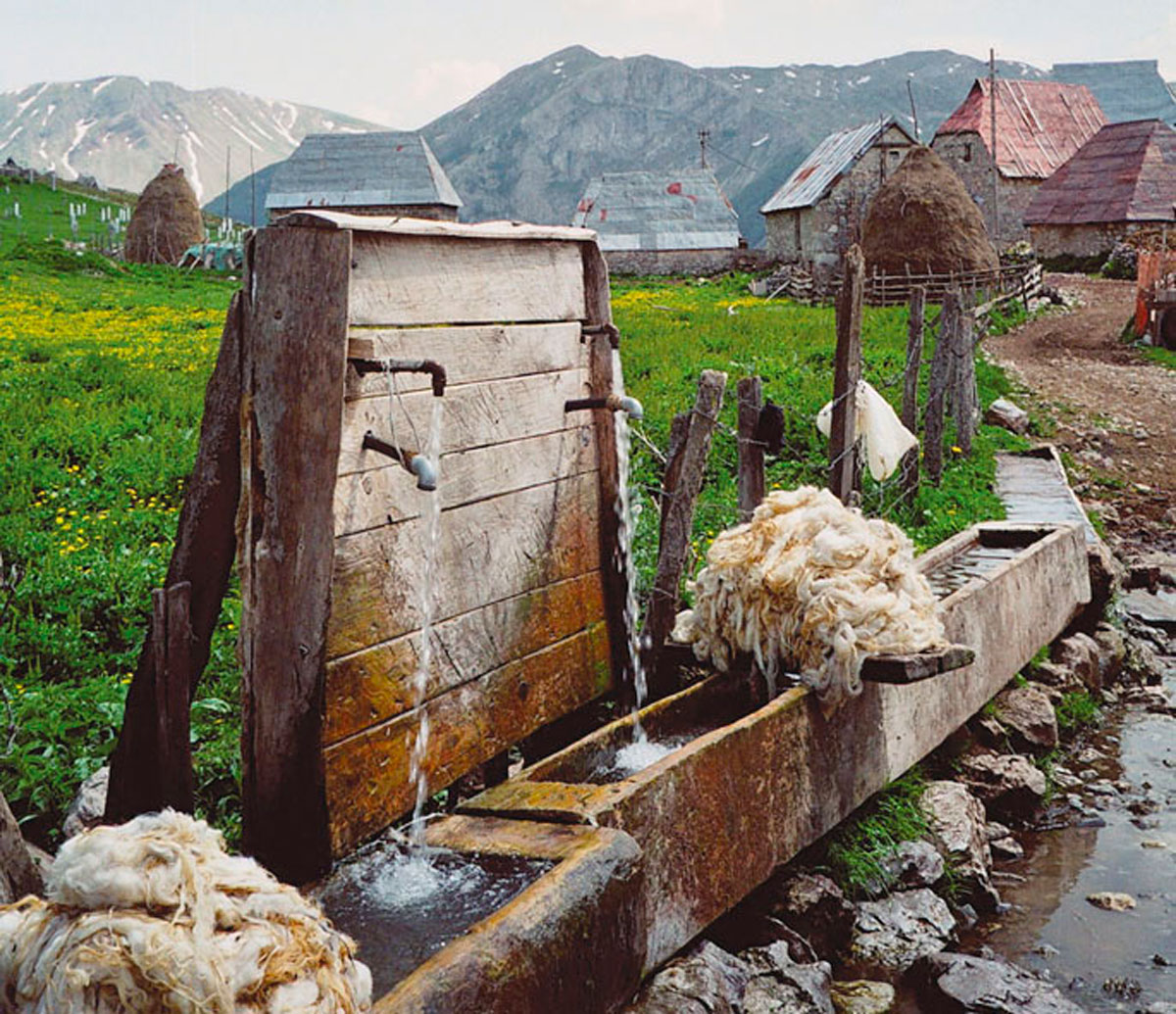


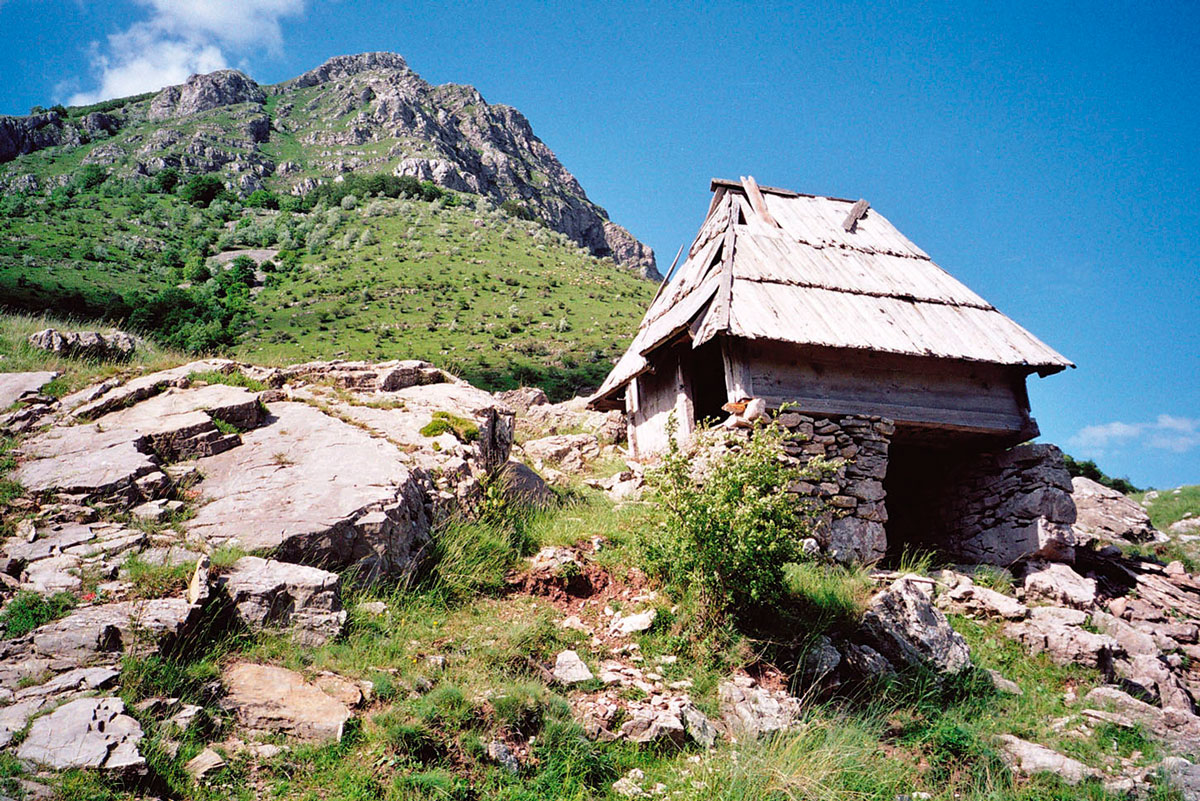
The villages in the Zabjelašnica area were once the very definition of distance and isolation from civilization. Educators and healthcare workers used to fear setting off for service in these places. This remote mountain region could only be reached by a full day's trek on foot or by horse. However, modern times have changed this area in many ways. Today, an asphalt road leads to almost every village; electricity, water, and telephone lines have been introduced, and public lighting has been installed. In 1993, during the past war, all the villages except Gornji Lukomir and Čuhovići were destroyed. Thanks to the hardworking hands of the locals and international humanitarian aid, all the houses have been rebuilt. In the past, village houses were built from natural materials – stone and wood. Today, that is no longer the case; new houses have been constructed with modern building materials and outside the scope of traditional architecture (houses with a čardak in the attic).
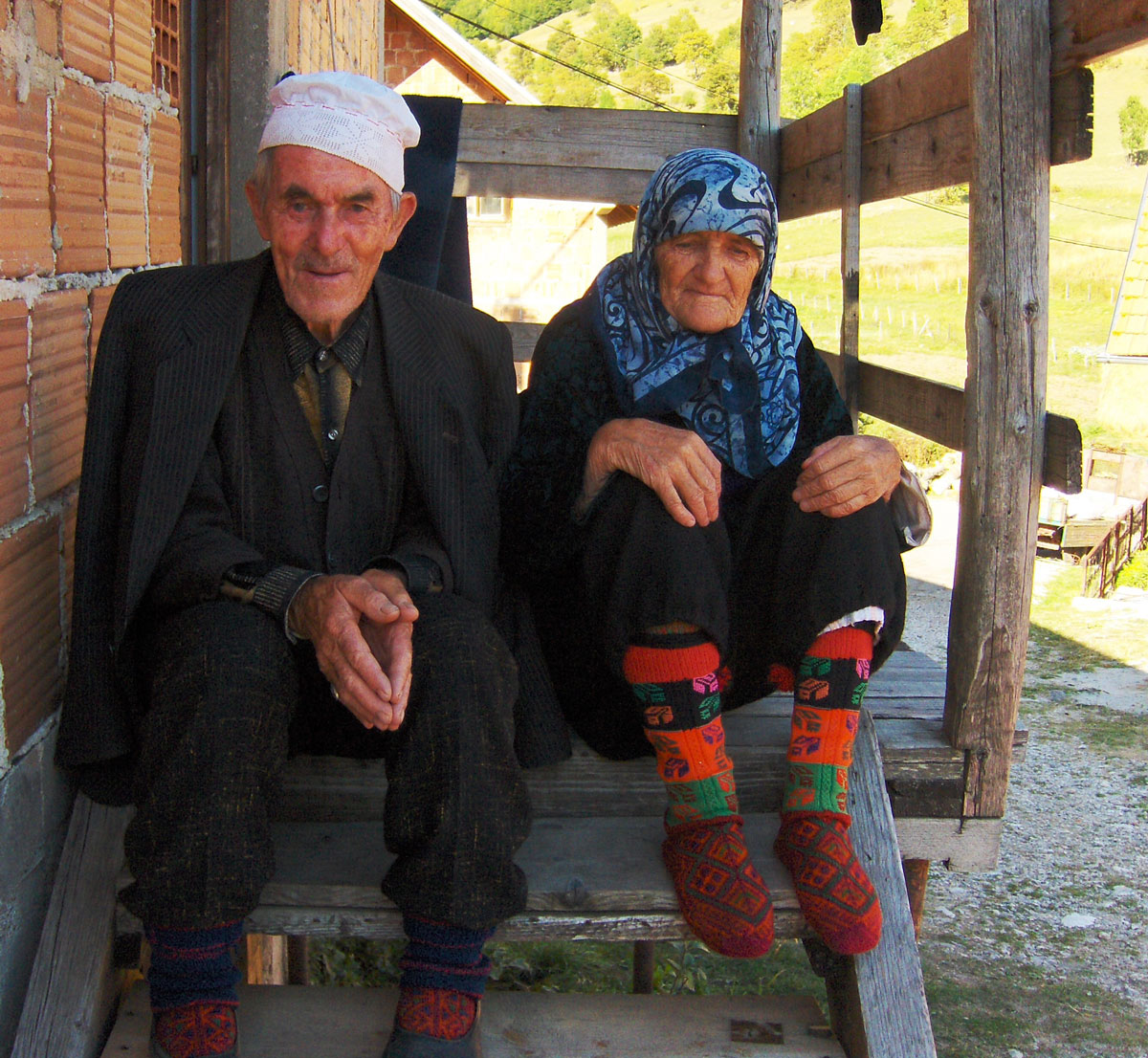

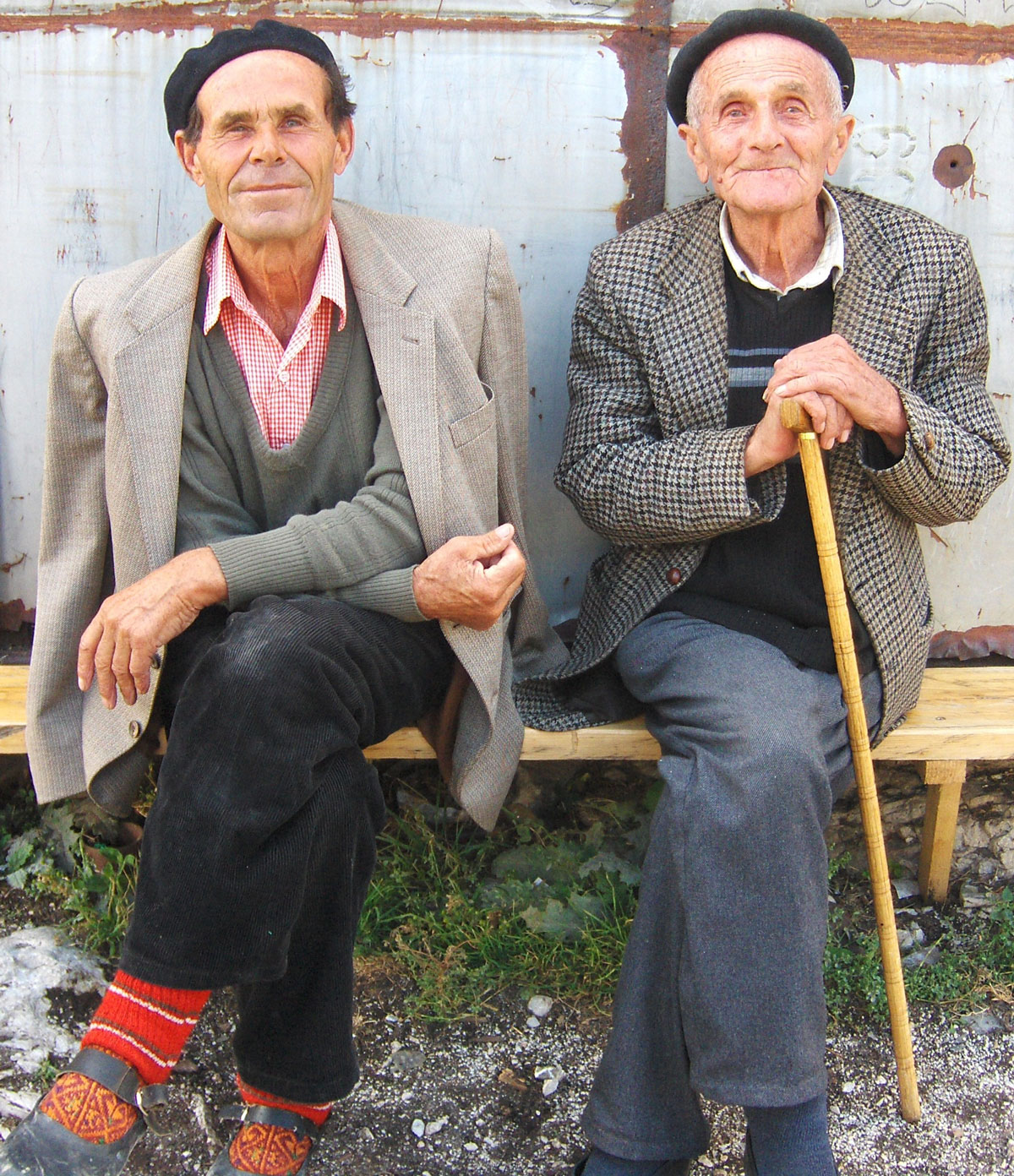

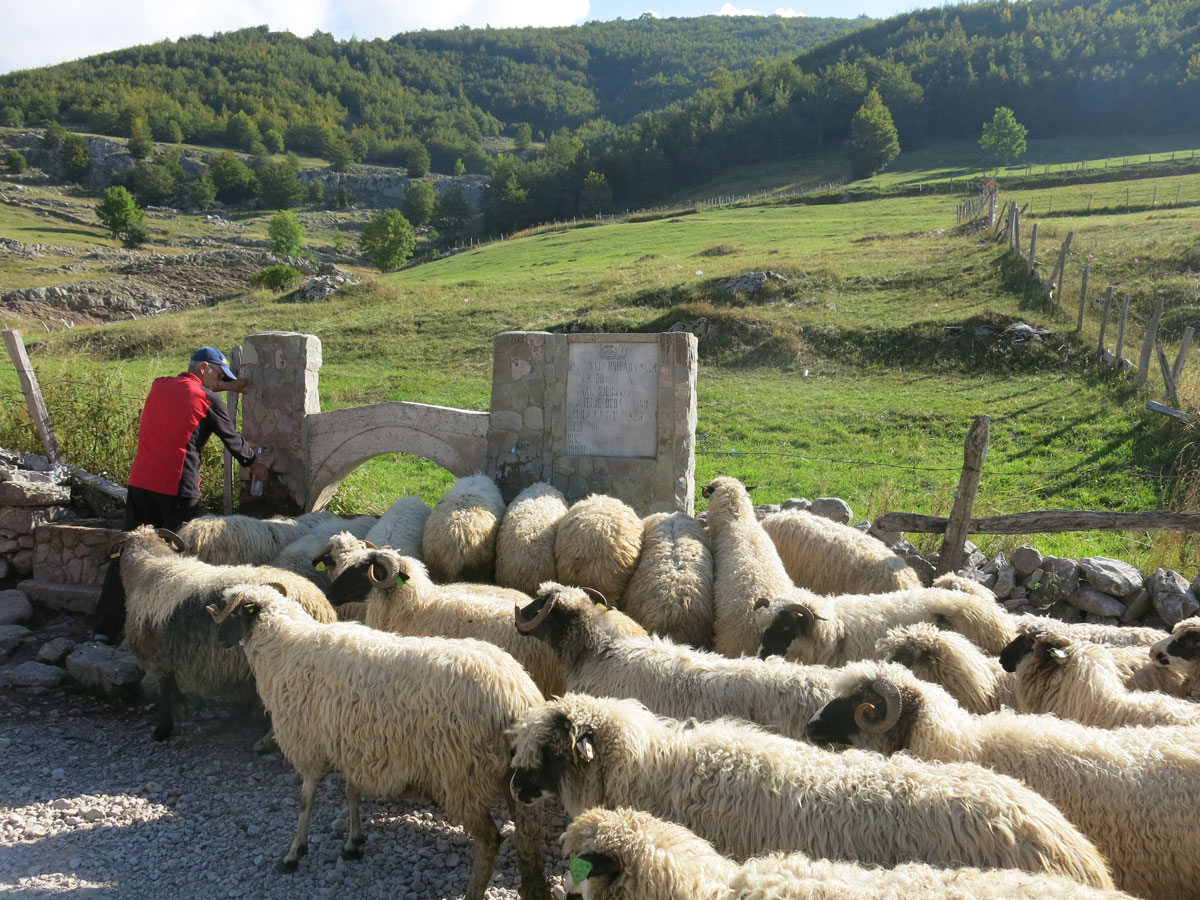
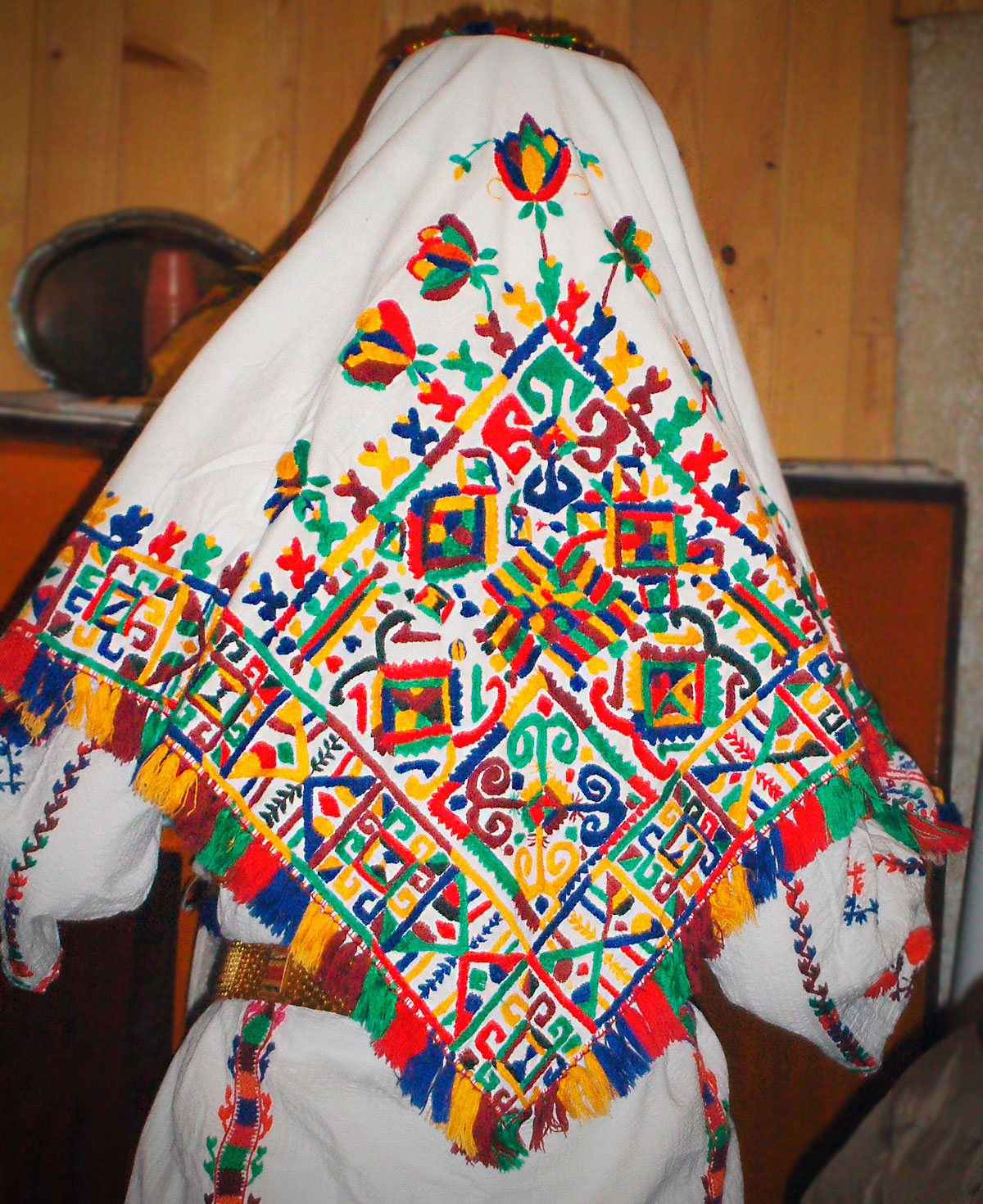
From the olden days, only the traditional costumes and adeti (customs) remain. The embroidery on the women's traditional costume is especially beautiful and rich in color. The men have largely abandoned the traditional attire, keeping only the white linen cap decorated with handwork, which they wear on formal occasions. Today, the majority of the population lives in Sarajevo, Konjic, Hadžići, Ilidža, and Hrasnica, visiting the villages only on weekends. Many households have stopped raising livestock. Cattle are now mostly grazed near the villages, so livestock farming in its original, traditional form no longer exists today. People have turned to easier and more profitable jobs related to rural tourism, which is currently undergoing rapid development.


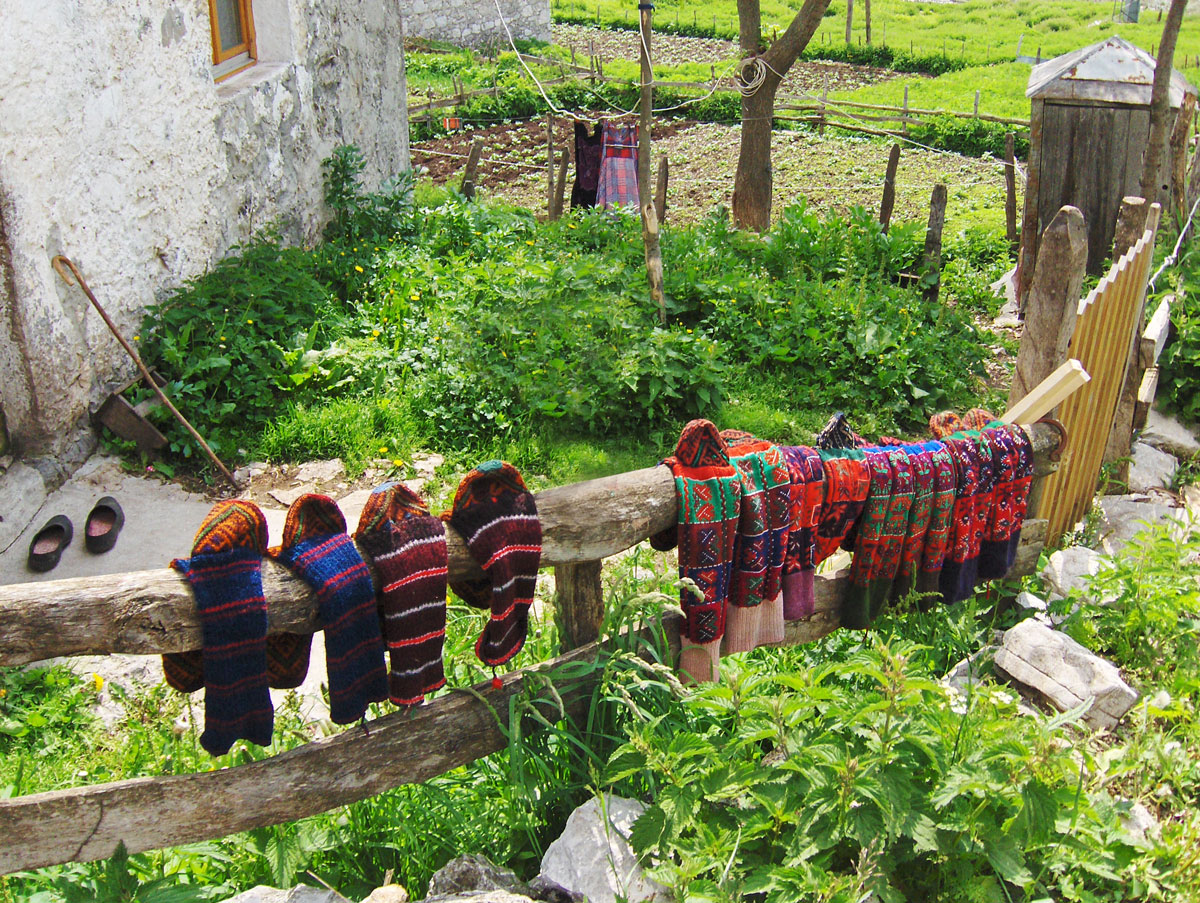

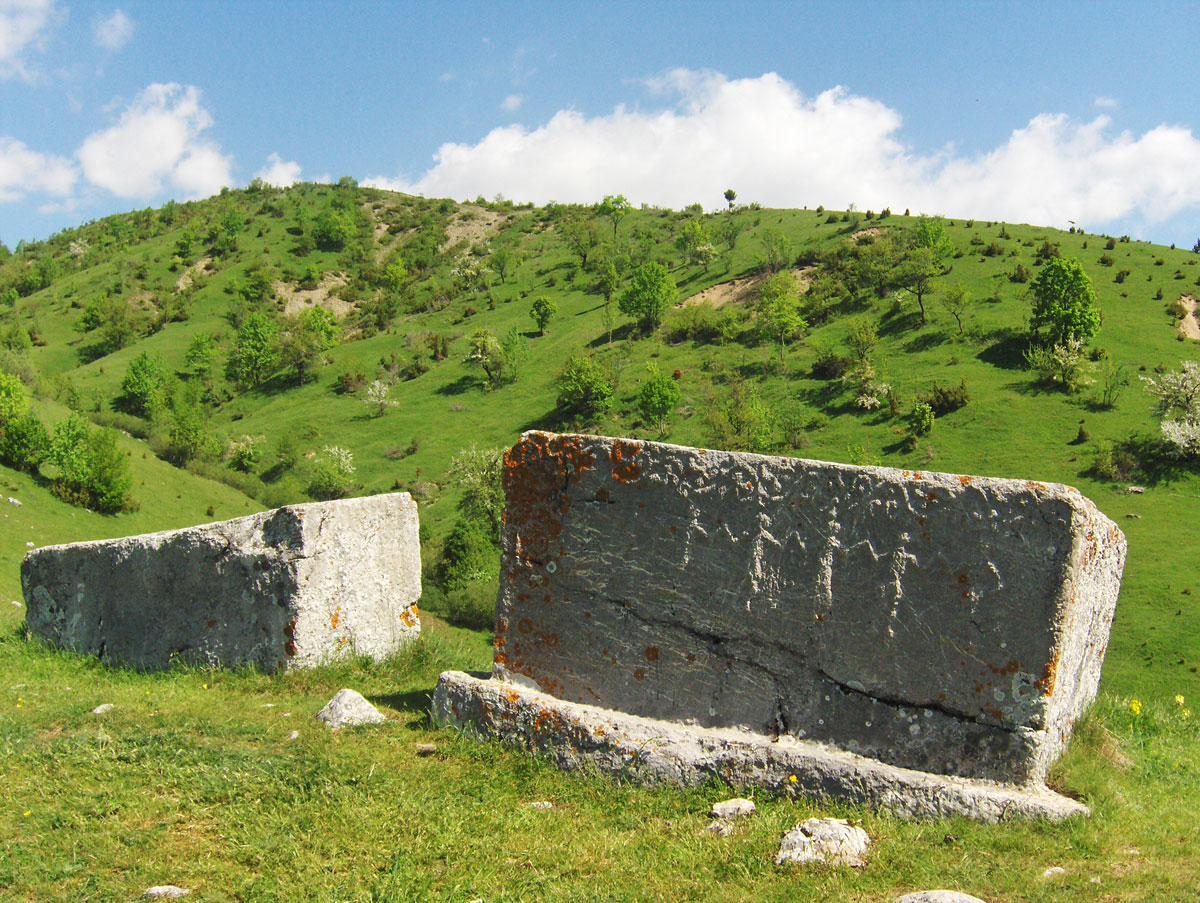
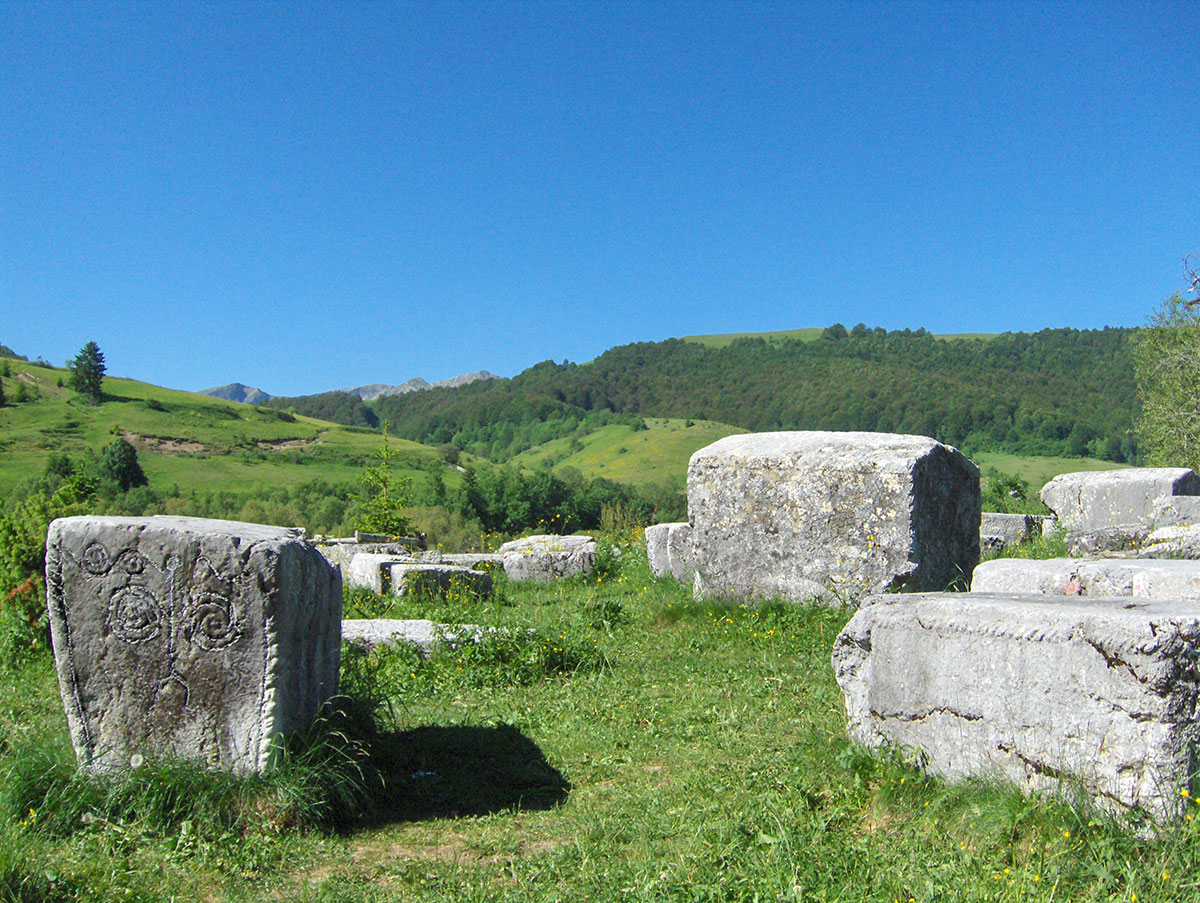
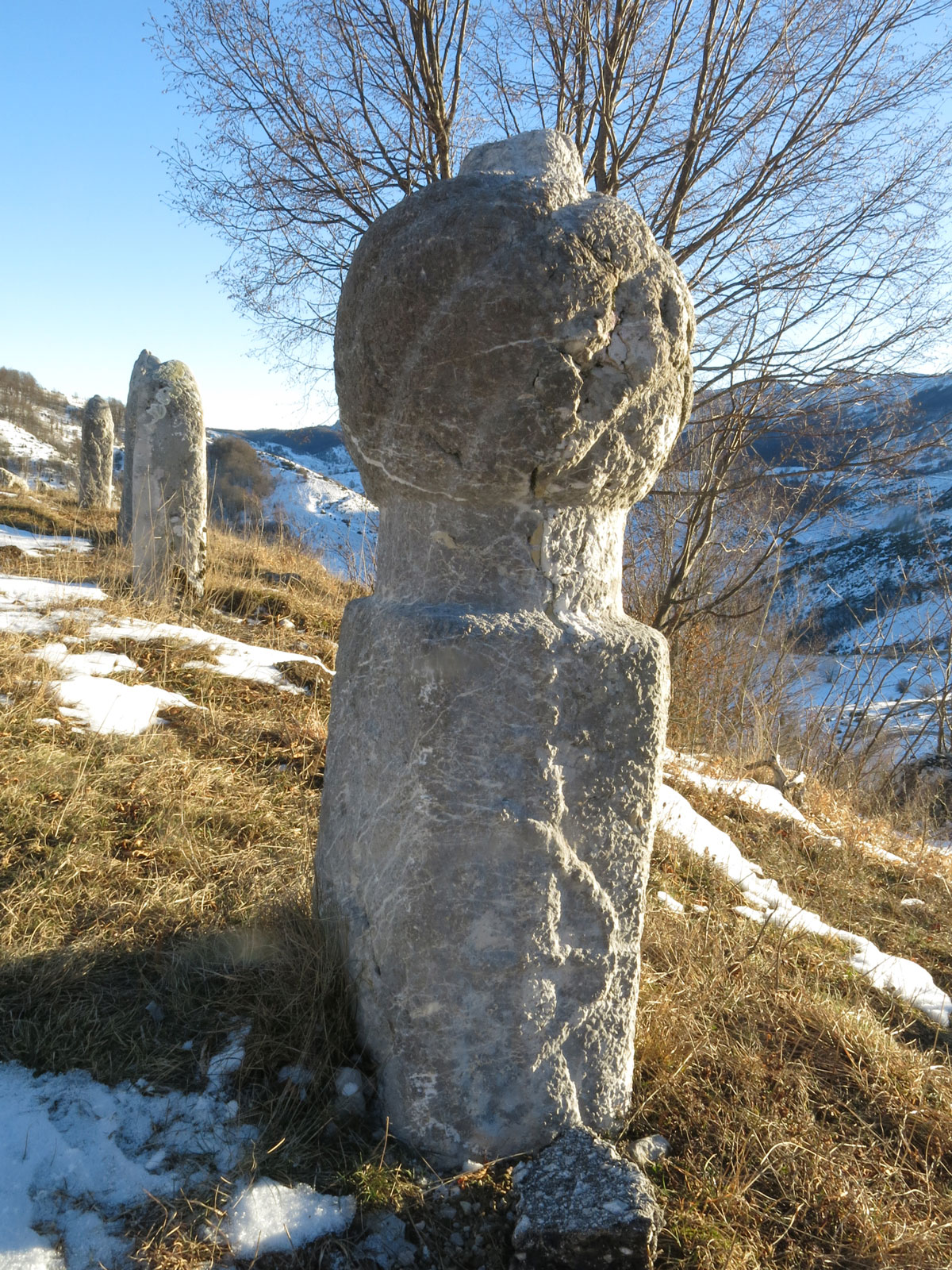
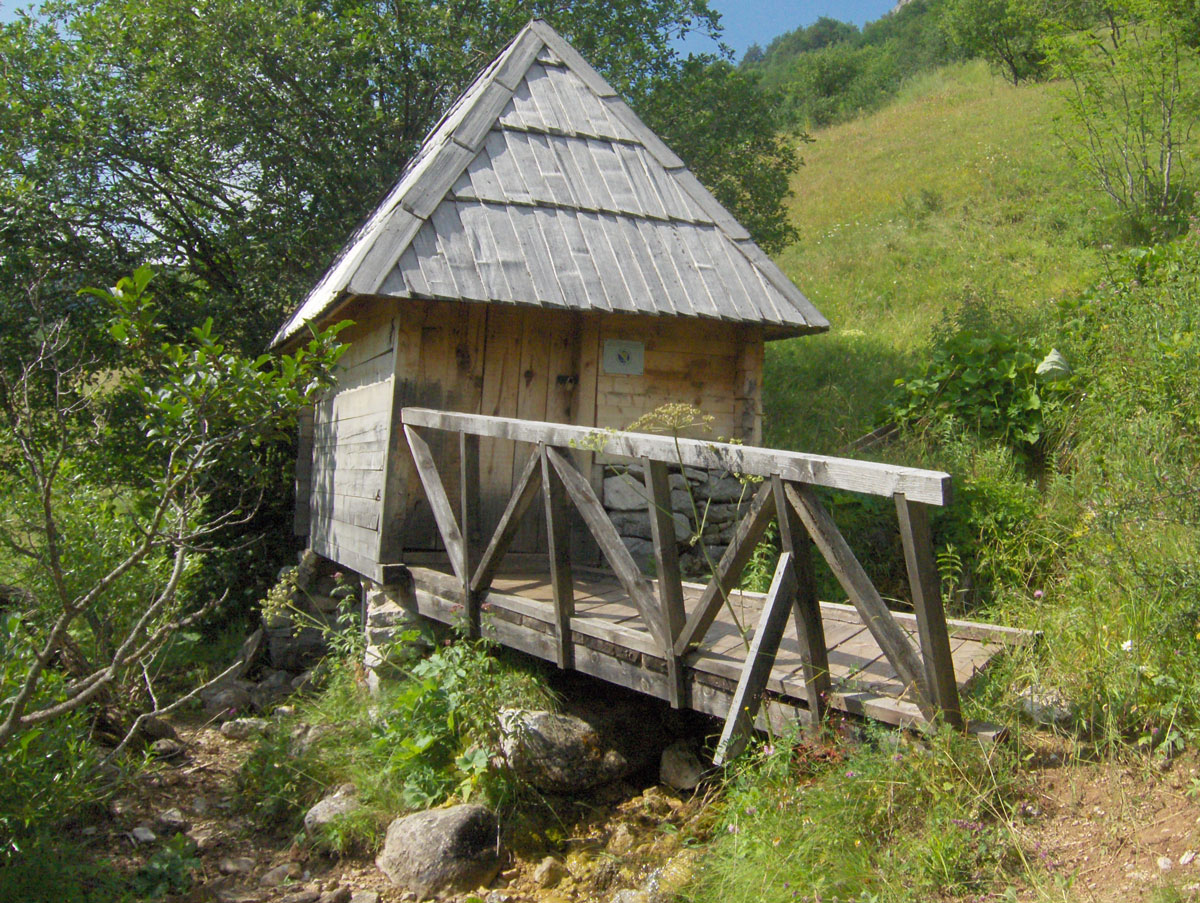
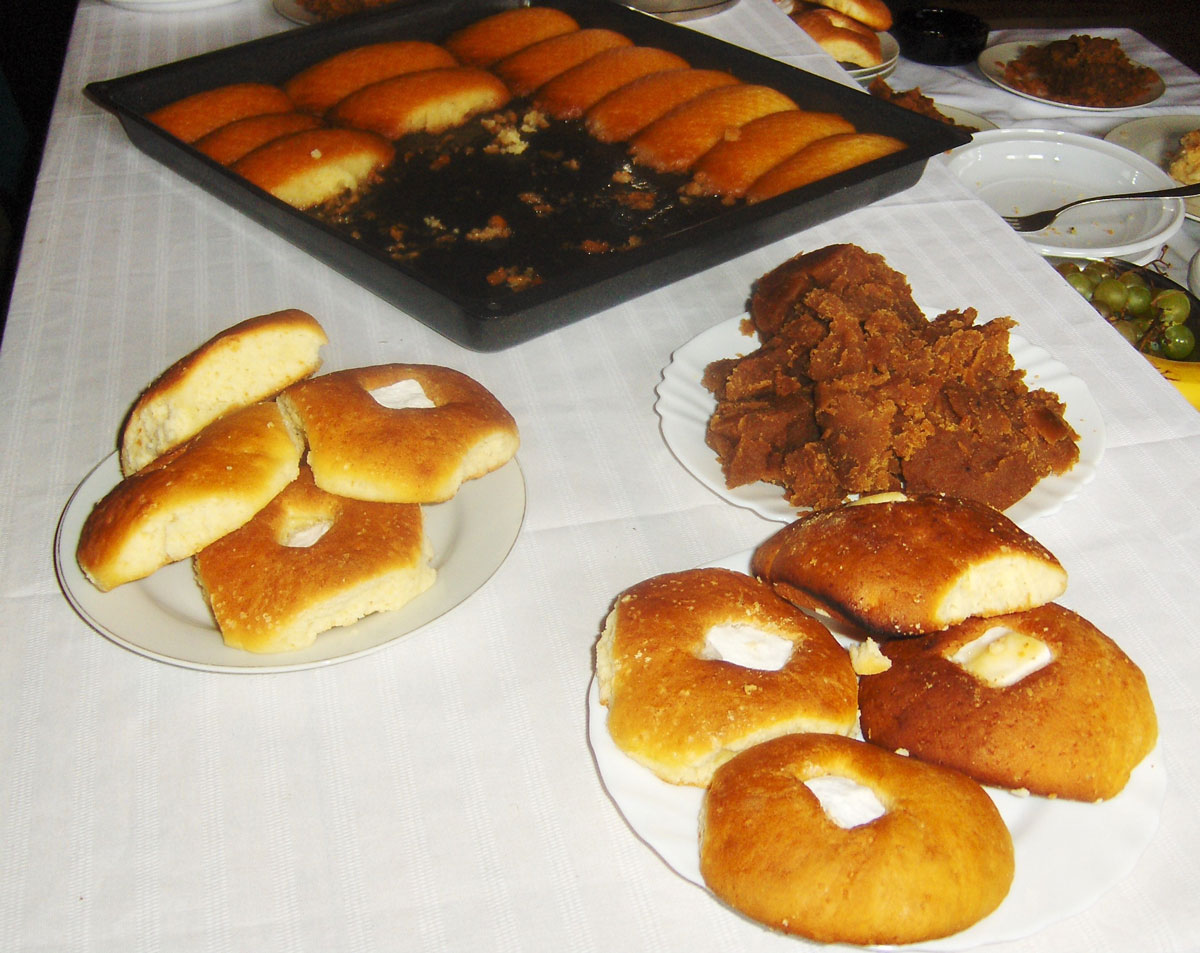
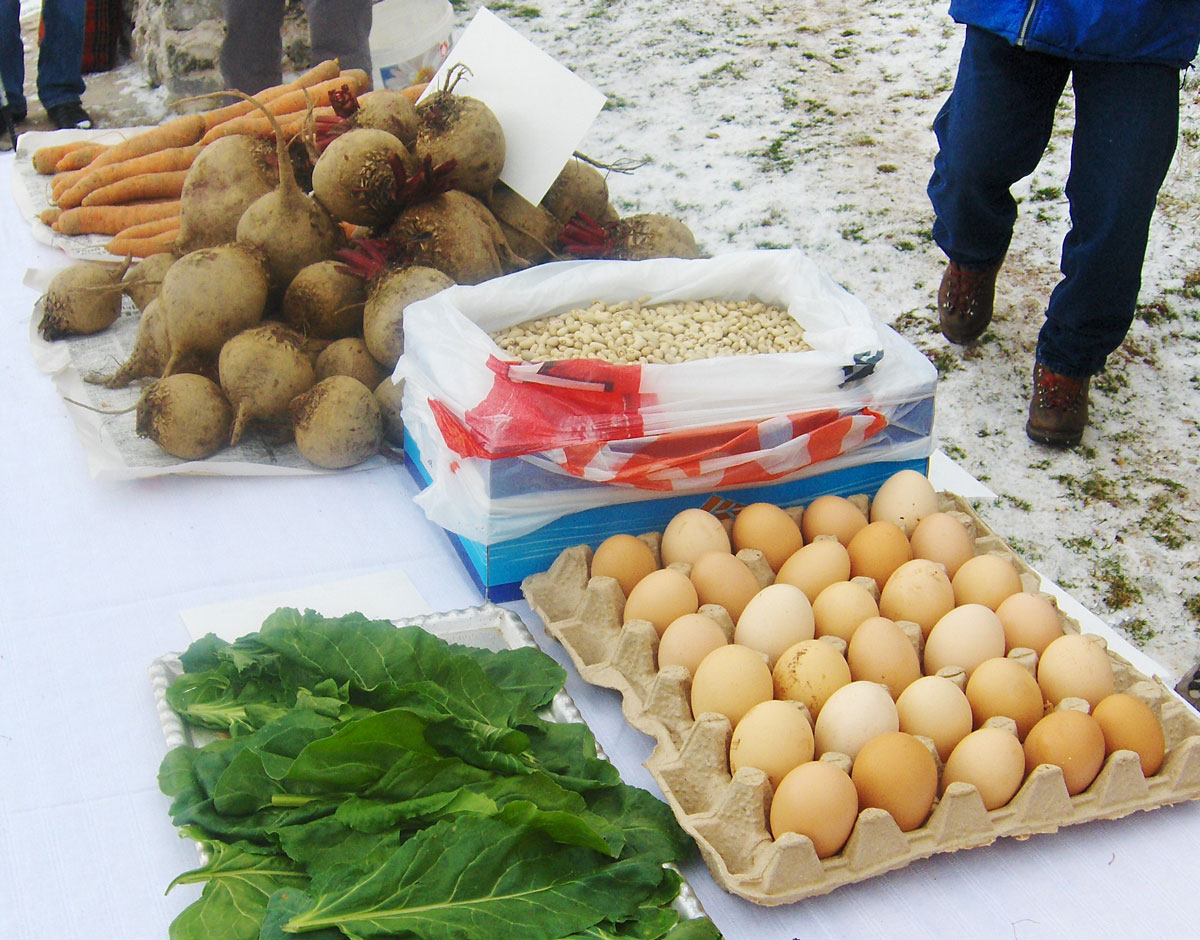
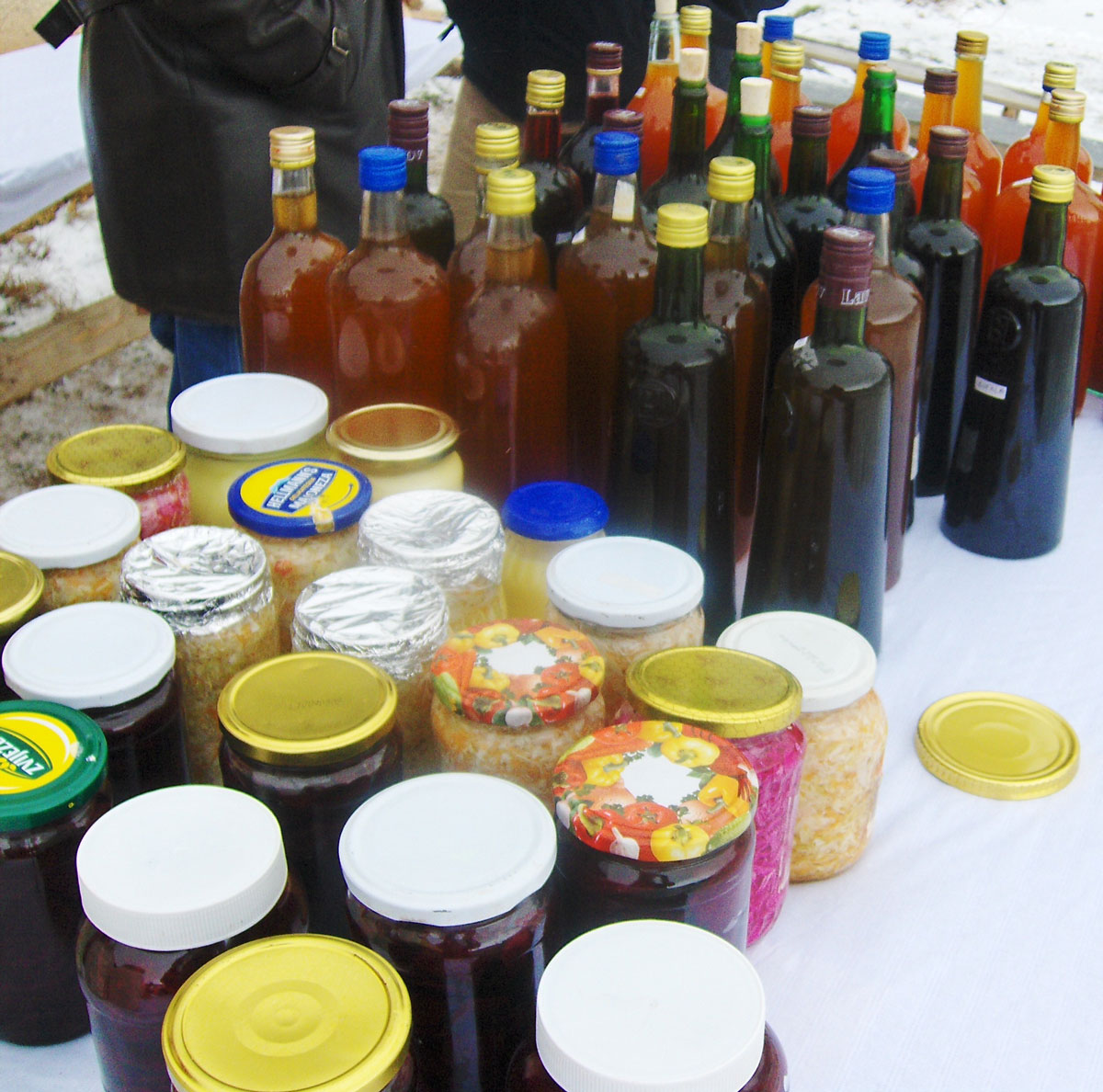
Once, people steered clear of this area, but today it is visited by many tourists, nature lovers, hikers, and adventurers. They are drawn by the beauty of Bjelašnica, Visočica, and Treskavica, which offer a wide range of hiking and skiing tours, terrains for mountain bikes and quads, trekking along ancient pastoral paths, and exploring the Rakitnica canyon. Visitors also come to see the Illyrian burial mounds (gomile) and medieval necropolises with stećci (tombstones) in Šabići, Umoljani, Gornji Lukomir, Čuhovići, and Blace, as well as the old mosque in Umoljani, the watermills at the Sedrenik spring, the meander and waterfall on Studeni potok, the petrified dragon on the Gradina rock, and more. Every year in August, traditional mevludi and teferiči (festivals) are held, with the most visited ones being in Umoljani and Gornji Lukomir. In the villages, one can buy unique handwork made from wool with traditional folklore motifs from the locals, as well as natural, healthy food including dairy and meat products.


Bjelašnica, Gradina pastoral settlement (1490 m.a.s.l.) near the village of Umoljani.

 PLANINARENJE sa Bracom Babićem